

Eligible pubs and live music venues in England will receive a 15% reduction on their business rates bills for the 2026/27 financial year, following new guidance published by the Ministry of Housing, Communities and Local Government on 18 February 2026. The measure, first announced on 27 January 2026, is designed to support venues that play a vital role in local economies and community life. In addition, the government has confirmed that eligible properties will see their business rates bills frozen in real terms in 2027/28 and 2028/29, with further guidance to follow ahead of those years.
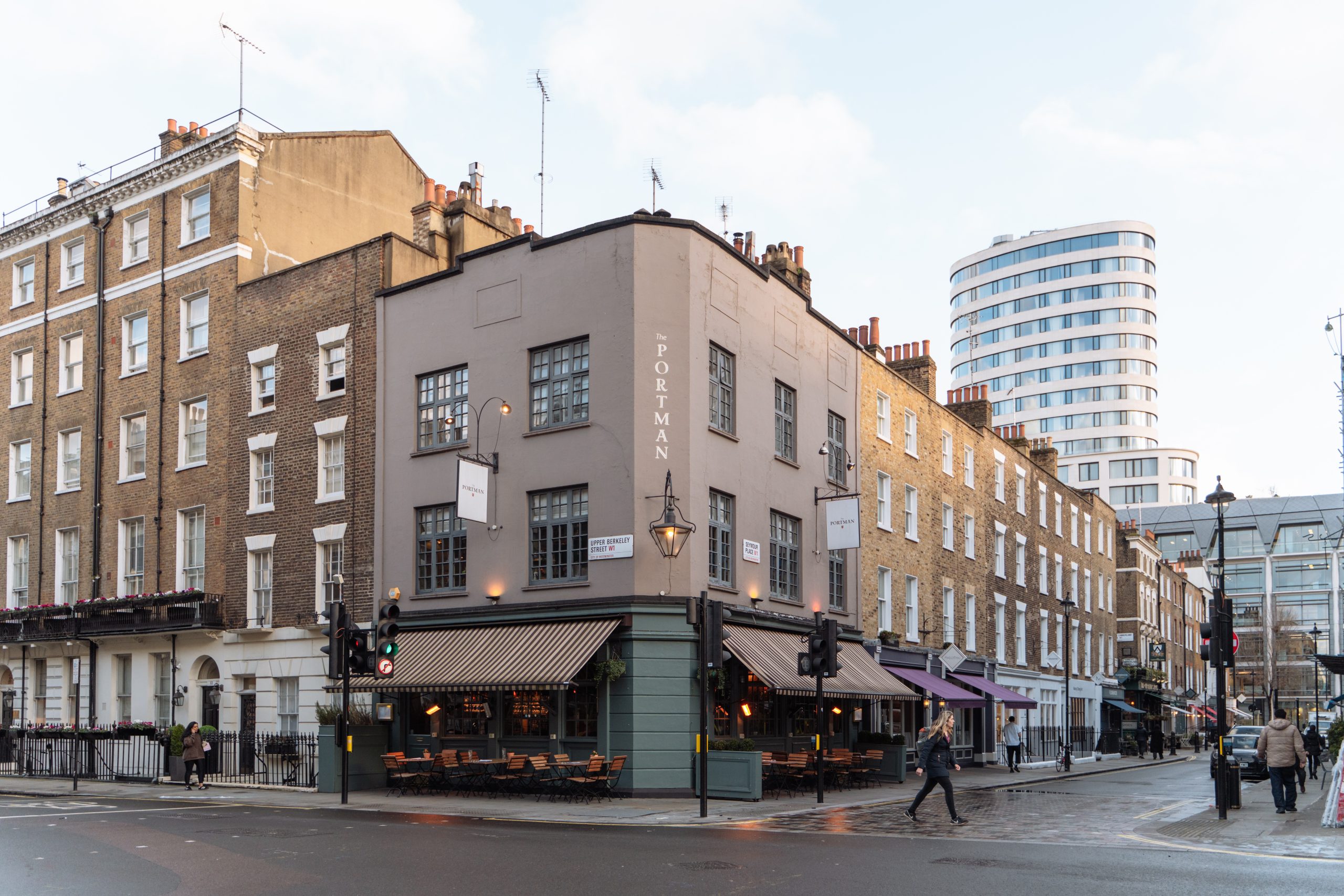
The relief will be delivered by local billing authorities using their discretionary powers under section 47 of the Local Government Finance Act 1988. Authorities will be fully reimbursed by government for income lost as a result of awarding the relief, provided it is granted in line with the published criteria.
To qualify, a property must be occupied and wholly or mainly used as either a pub or a live music venue. For the purposes of the scheme, a pub is defined as a property that is open to the general public, allows free entry except for occasional entertainment, permits drinking without requiring food to be purchased, and enables drinks to be bought at a bar. Restaurants, cafés, nightclubs, hotels, sporting venues, theatres, cinemas and casinos are excluded. Local authorities are expected to use their knowledge of their area to determine eligibility where cases are not clear-cut, considering whether a premises operates in practice as a pub serving its local community.
A live music venue must be wholly or mainly used for the performance of live music to entertain an audience. Other activities, such as the sale of food and drink, must be ancillary to the primary function of hosting live performances. Nightclubs and theatres, as defined under planning use classes legislation, are not eligible for this relief.
The 15% reduction will be calculated on a daily basis during the 2026/27 financial year. The relief applies after mandatory and certain other discretionary reliefs have been applied, and before any locally funded discretionary reliefs. There is no cap on the total value of relief that can be awarded under the scheme, and it does not count towards Minimal Financial Assistance limits under subsidy control rules.
Local authorities will be responsible for reporting individual relief awards over £100,000 on the UK subsidy control database. However, where awards are made in accordance with the government’s guidance, authorities are not required to undertake their own subsidy control assessment.
Full guidance is available on the Government website here.

